
Handbook on the Minority Rights Jurisprudence of the UN Human Rights Treaty Bodies
The UN human rights mechanisms and the jurisprudence of the treaty bodies play a decisive role in shaping and interpreting international human rights norms. In particular, decisions on individual communications and concluding observations on state reports contribute significantly to the development of minority rights. Despite this importance, no comprehensive and systematic analysis of the minority rights jurisprudence of UN treaty bodies had been undertaken.
To address this gap, TLI has carried out a series of preliminary studies in recent years to examine how minority rights are reflected in the work of UN treaty bodies. A major milestone in this research process was reached in 2024, when Dr David Keane prepared a comprehensive analysis of the minority rights jurisprudence of all nine core UN human rights treaty bodies. This pioneering study examines minority rights within the broader framework of general human rights and provided the foundation for the next phase of the project.
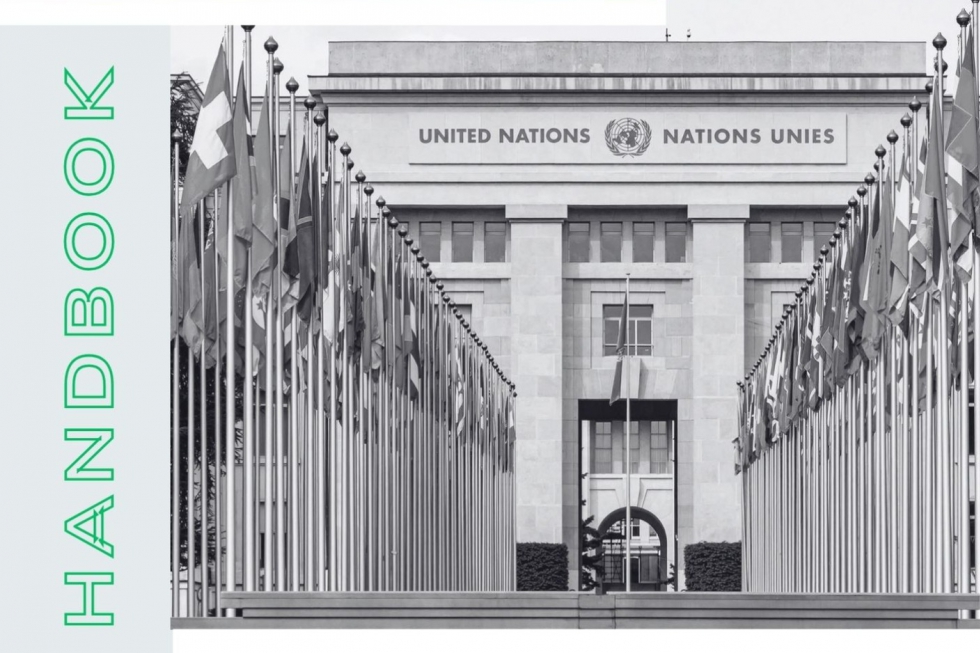
Building on this research, in 2025 TLI asked David Keane to develop a handbook that, for the first time, offers a comprehensive overview of how UN treaty bodies interpret and apply minority rights. The handbook is primarily intended for minority rights advocates, but it is also a valuable resource for academics, states, international organisations and civil society actors. The publication was launched in 2025 at two international events: a workshop in Addis Ababa and a side event held in connection with the UN Forum on Minority Issues.
The project will continue in 2026, when TLI plans to develop a publicly accessible, thematic database compiling the minority rights jurisprudence of UN treaty bodies.