
Research on Roma Representation in Public Spaces (2018- present)
In 2018, TLI launched a research project to map the representation of Roma in public spaces. In the first year, we studied the UNESCO World Heritage area of Budapest, then with the involvement of Roma researchers and public figures we extended the research to the entire capital and later to a nationwide level and examined where and how Roma representations are displayed in public spaces across Hungary. Besides visual representation, special attention was given to the issue of self-representation and participation and the research examined positive case studies in which Roma communities successfully established their representation in public spaces. The research work was based on both data collection and fieldwork, including on-site visits and photo documentations.
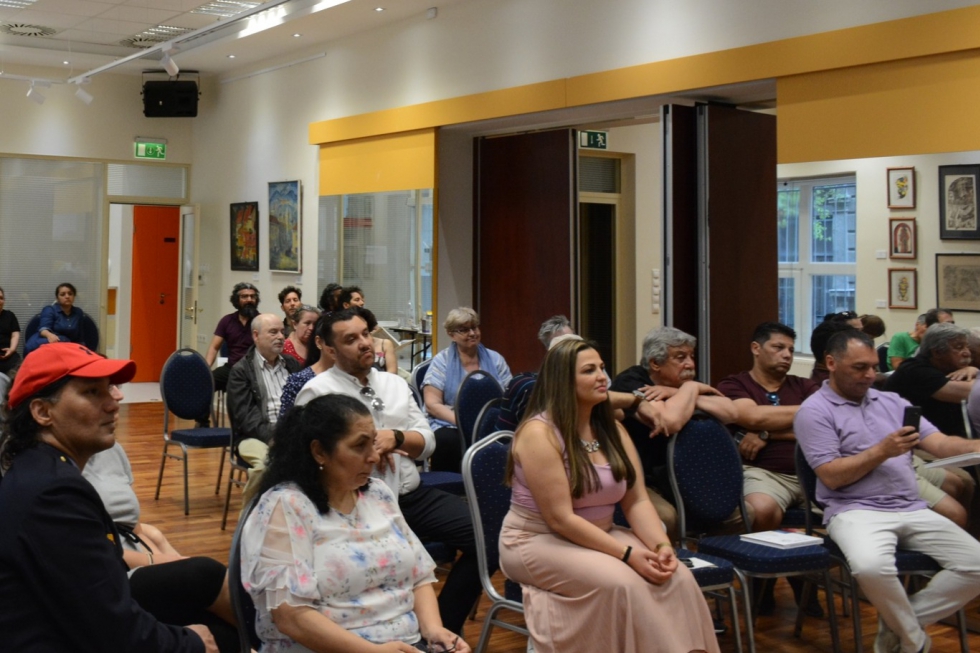
In 2021, the results of the nationwide research were published in Hungarian and presented during a workshop. In order to increase the visibility of Roma representations, the representations were made available in a searchable online map and database. The publication was also translated into the Romani and English languages, making the results of the research accessible to the international Roma community too.
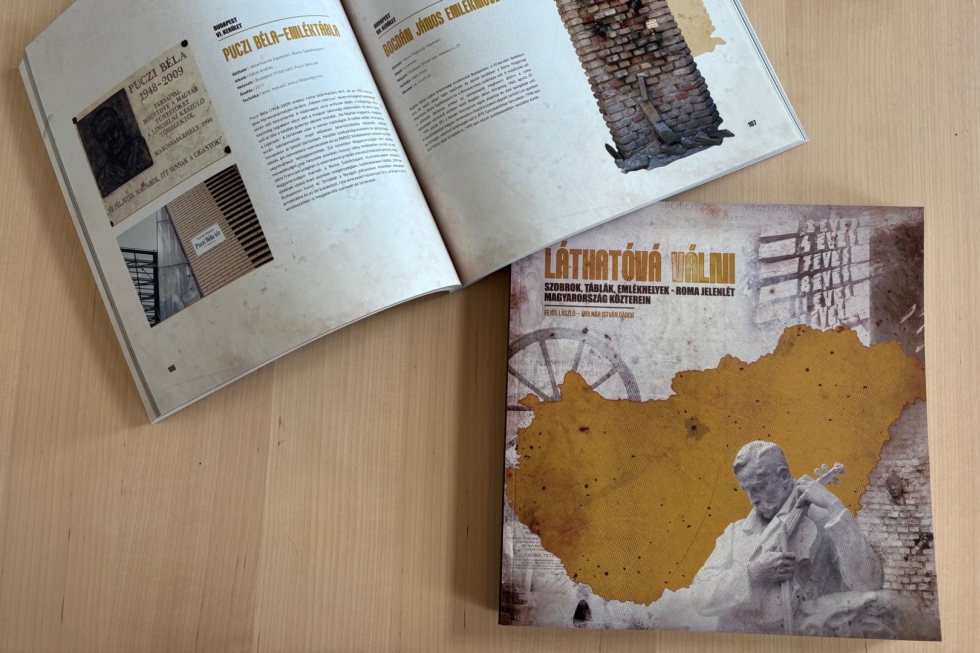
In recent years the number of Roma-related public memorial sites and public space representations has increased across the country, partly due to the attention following the first research and to the local community initiatives. As a result the research work continued through identification of new sites, field visits, photo documentation and updating the online database. The most recent outcome of this multi-year research is the publication of second, revised and expanded edition of the book“Becoming Visible - Statues, Plaques and Memorial Sites: Representation of Roma Identity in Public Spaces in Hungary” in December 2025 (available online and in 115 printed copies). The book launch event took place in January 2026.